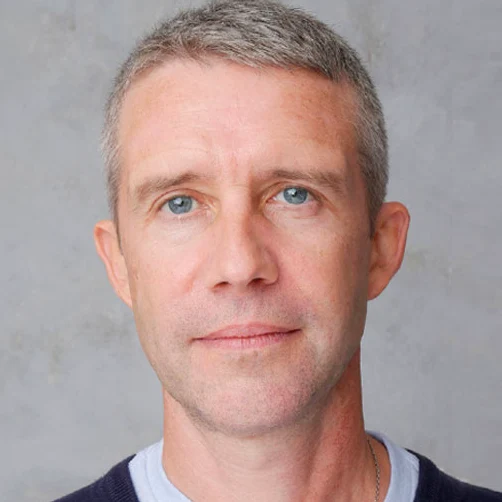
Meet ANTSY McCLAIN: More Than Just a Character
February 5, 2026
February 5, 2026
Every animated world has at least one character who defines its tone, energy, and personality. For Way Cool World, that character is Antsy McClain.
Antsy McClain didn’t arrive fully formed. Like most memorable characters, Antsy evolved through sketches, experiments, refinements, and creative decisions that shaped not just a look, but a presence.
This post takes you behind the scenes of Antsy McClain’s creation — from early drawings and storyboards to the final 3D model that now lives inside Way Cool World.
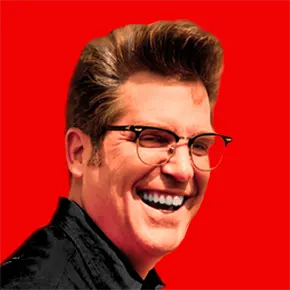
Way Cool World is inspired by the brilliant songs and characters of Antsy McClain.
Antsy McClain is an incredibly talented musician, singer, artist, and father whose music has long been filled with humor, humanity, and vividly drawn characters. His lyrics are funny, whimsical, and sharply observant — stories about people, places, and the small absurdities of everyday life.
Way Cool World draws directly from that musical universe.
While not every character in the series was created by Antsy, he provided more than a dozen original character ideas that became the foundation for the animated world. These characters were first introduced through Antsy’s songs — living in lyrics long before they appeared on screen. Our team took those ideas to the next level, translating them into visual form through professional character drawings, storyboards, and ultimately animation.
Way Cool World uses Antsy McClain’s music exclusively. The opening credits roll to his song “Way Cool World” from the 2003 album of the same name — a fitting and joyful introduction to a world inspired by many Way Cool Worlds.
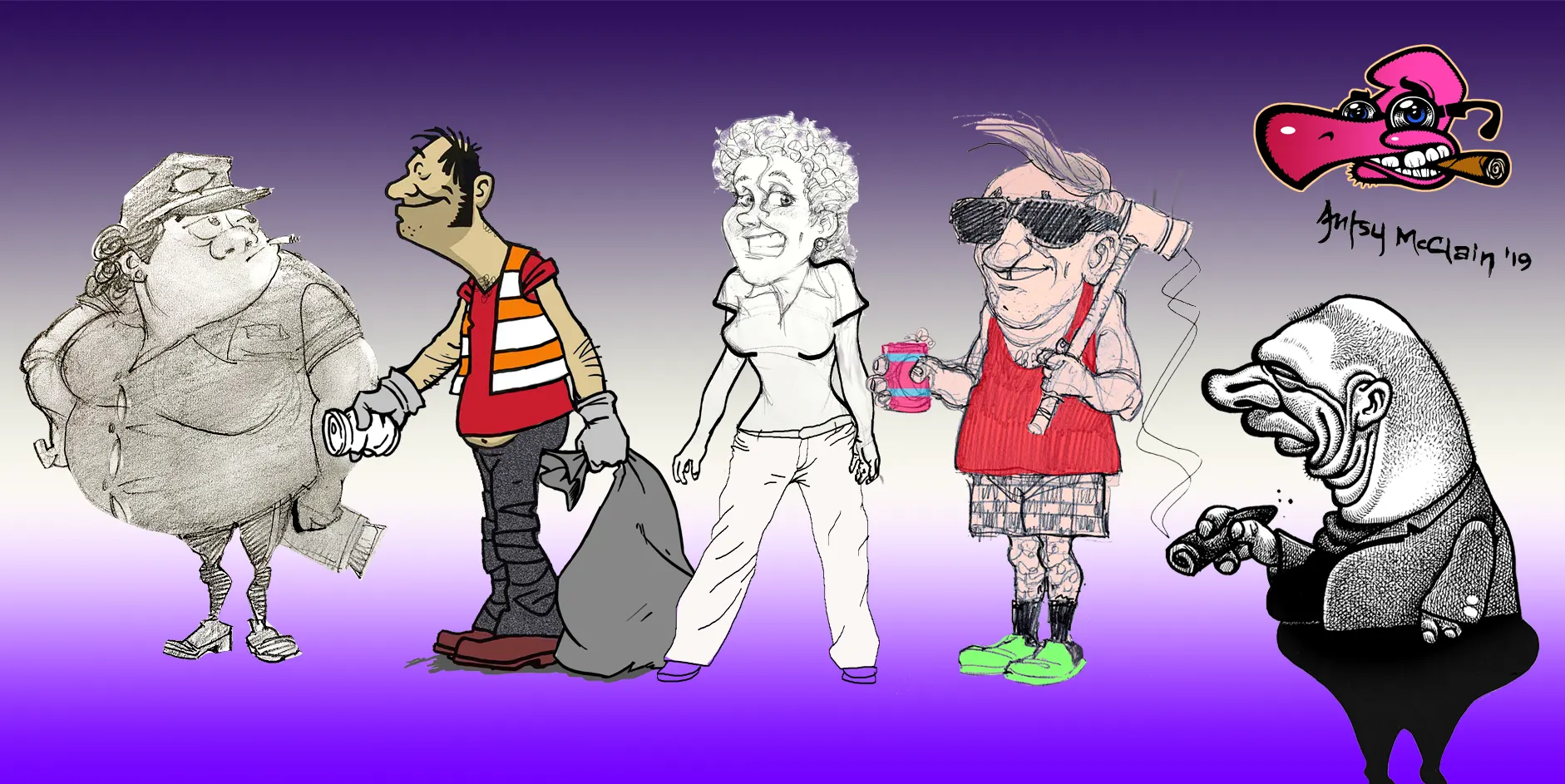
Early character sketches by Antsy McClain — the initial concepts for Season One.
Antsy’s lyrics serve as connective tissue throughout the series. Individual songs — or moments within songs — inspire scenes, characters, and storylines, forming an interconnected animated universe. All of this is brought together under the creative direction of James Dalessandro, whose energy, vision, and persistence turned musical storytelling into animation.
Learn more about Antsy McClain at unhitched.com, or visit his dedicated page on the Way Cool World site: antsy-mcclain.htm
“ANTSY McCLAIN didn’t start as an animated character — he started as a voice, a song, and a way of seeing the world.”
The earliest visual moments of Way Cool World were charged with enthusiasm.
As James Dalessandro introduced the world of Pine View Heights — its rolling hills, its residents, its rhythm — the process was often accompanied by an Antsy McClain soundtrack. That combination made the tone immediately clear. We could feel what the animation needed to be, and the humor of James’s scripts set the creative direction from the start.
As scripts were broken down into scenes, something clicked. Antsy’s original sketches and lyrical characters began to align naturally with James’s descriptions and storytelling. Personalities emerged. The world started to populate itself. Read more in Building Way Cool World.
Character development became a rewarding — and demanding — process. Creating a character is, in many ways, creating a new life. Throughout production, more than 300 drawings were created across three major storyboards. Many characters went through five or more iterations, evolving through improvements in form, color, expression, and team feedback.
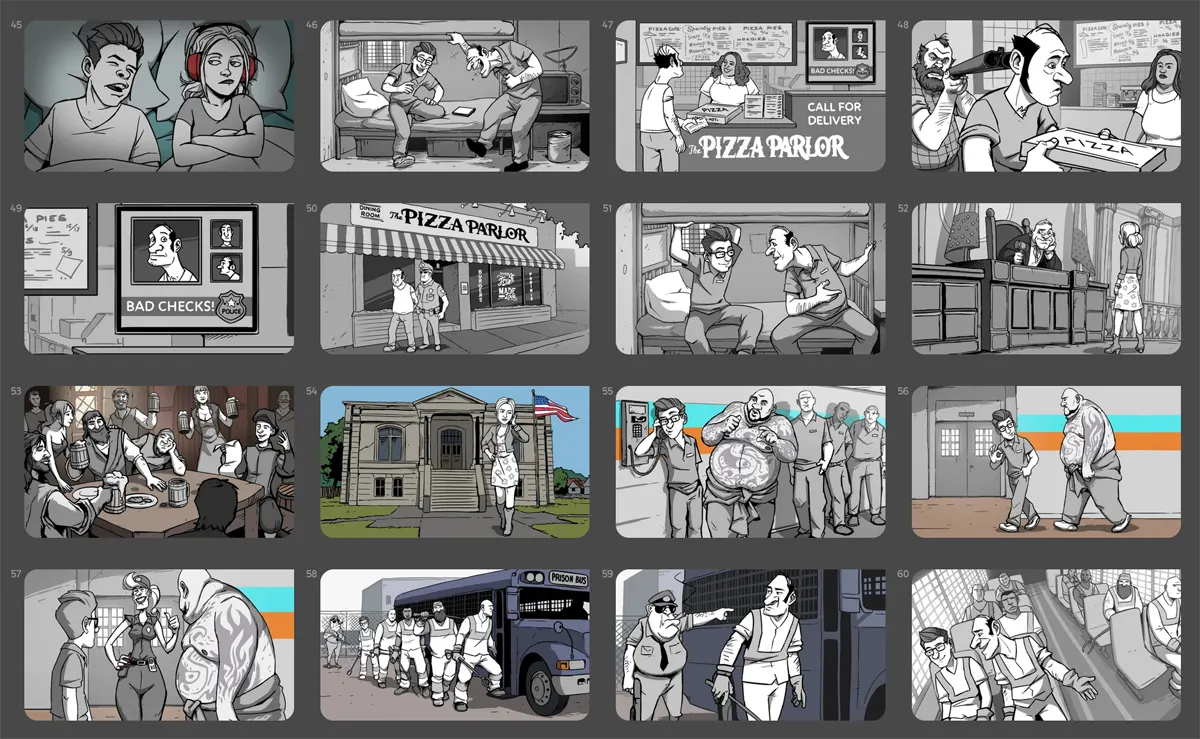
Early storyboard scenes/characters from one of the initial versions of Way Cool World.
By the time the designs reached a stable form, they had become solid, well-tested foundations. When the animation phase began, the next stage — 3D development — was fully supported by detailed visual prototypes and narrative clarity.
The transition to 3D animation marked a deeper level of craftsmanship.
The 3D work was produced in India by an animation studio known for its passion for character-driven storytelling and visually rich narratives. Moving into 3D allowed the team to control every detail — and in animation, details make all the difference.
Expressions, posture, proportions, and subtle movement choices became tools for strengthening personality and comedy. The process proceeded smoothly, and the studio’s speed and responsiveness exceeded expectations. Requested changes were implemented quickly, which built confidence and reinforced that choosing 3D was the right creative decision.
Even after the 3D characters were developed, the team made some hard calls. Certain characters were replaced with versions that carried stronger charisma and presence. It wasn’t about starting over — it was about making the world better.
Every design decision was made in service of the story, and by the time production moved forward, the characters felt alive, expressive, and ready to inhabit Way Cool World.
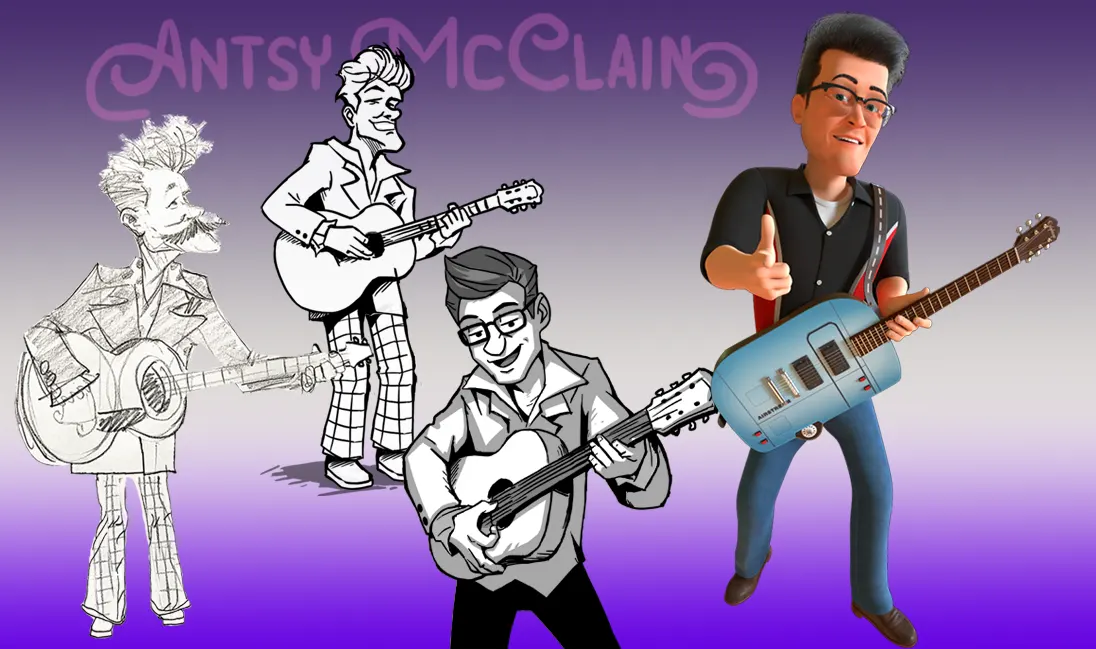
The evolution of Antsy McClain, from initial sketch to final drawing and 3D model.
Antsy McClain is more than an animated character — he’s a living presence that continues to evolve beyond the series itself.
“Character development is just drawing the same person hundreds of times until they start talking back.”
In addition to inspiring Way Cool World through music and storytelling, Antsy remains an active touring musician. His live performances often incorporate imagery, themes, and visual moments connected to the animated world, creating a unique feedback loop between stage, song, and screen.
This ongoing connection keeps the character grounded and alive. Antsy isn’t frozen in a single version or moment — he continues to grow through performance, audience interaction, and creative exploration.

Way Cool World’s main characters in their final 3D form — the happy family together.
That living quality is what makes Antsy McClain such a natural foundation for Way Cool World. He carries humor, vulnerability, and authenticity not because those traits were designed — but because they were already there.
And as Way Cool World expands, Antsy McClain will continue to evolve with it — not just as a character in animation, but as a voice that connects music, storytelling, and audience into one shared world.